

Sectors

Infrastructure & Urban Development

Infrastructure is the framework through which places connect, economies function and everyday life finds continuity.

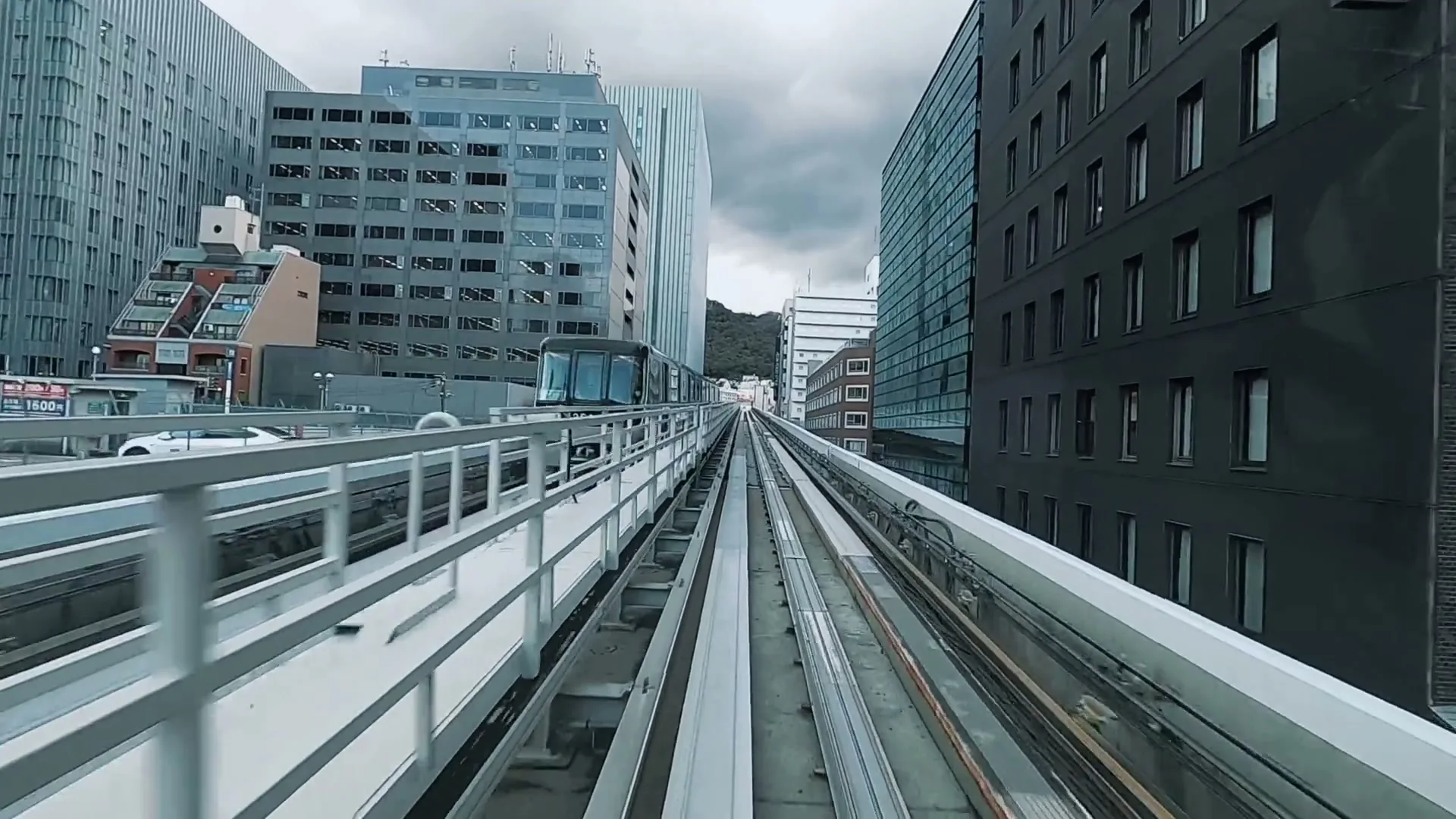
Illustrative view along an elevated rail corridor between city buildings
Area of interest & prospective collaboration

The Most Consequential Structures Are Often The Ones That Make Everything Around Them Possible

Transport links, urban services and enabling infrastructure influence how places work long after construction activity has moved elsewhere. Their development requires a view of the wider system: who depends on an asset, how it connects to other networks and what its operation will require over time. APDC considers infrastructure and urban development as an area of prospective collaboration with appropriate project sponsors, qualified technical organizations and operating partners.

A City Works Through Its Connections

Buildings depend on access, utilities and services. Read together, these relationships reveal the operating conditions that an infrastructure opportunity must address. The development question concerns how the parts function together, as well as what each asset can provide.

Illustrative portrait view of a tower, surrounding buildings and road infrastructure

Connections That Support A Wider System

  • Connectivity

    The people, activities and places the system serves.

  • Capacity

    Technical and operating requirements to assess.

  • Responsibilities

    Public, private and specialist interfaces.

  • Lifecycle

    Delivery, operation and long-term resource requirements.

Opportunity Themes.
Specific Questions

These are themes for discussion. They do not represent a disclosed portfolio of completed APDC mandates.

Infrastructure That Enables Development

A site does not operate in isolation. Access, utilities and the relationship to surrounding networks can determine what a development is able to become. Enabling infrastructure therefore belongs in the early commercial conversation.

Considerations And Starting Output

Map the connections the proposed asset depends on, the parties responsible for them and the evidence needed to understand capacity. Technical design and approval remain specialist responsibilities.

Potential Starting Output: Interface map and information requirements.

Urban Services And Productive Places

The usefulness of an urban place depends on the systems that continue to serve it after construction. Resource use, maintenance and operating responsibility need a place in the proposition from the beginning.

Considerations And Starting Output

Explore the service requirement, stakeholders, operating model and long-term responsibilities with appropriate sponsors and specialists. APDC’s prospective role is commercial planning and coordination.

Potential Starting Output: Stakeholder brief and operating questions.

Logistics Access And Network Interfaces

An industrial or logistics asset is only as useful as its connection to the movements it serves. Goods, vehicles, utilities and operating schedules meet at interfaces that should be examined before a concept is fixed.

Considerations And Starting Output

Consider access dependencies alongside the related industrial asset. Use the Industrial Development page for warehousing and cold-chain themes, avoiding a duplicate project proposition.

Potential Starting Output: Access dependencies and specialist brief.

Thinking In Networks And Interfaces

An infrastructure asset has a purpose within a larger network. Its usefulness may depend on connections, capacity elsewhere in the system, the activities it supports and the responsibilities of different institutions or operators. An early commercial discussion should make these relationships visible, rather than treating a single component as an isolated project.

The Life Of An Asset Beyond Delivery

Implementation is one stage in a longer lifecycle. Maintenance, service continuity, operating responsibilities and the resources required over time influence the development proposition. These questions deserve attention alongside the initial scope, particularly when different parties will be responsible for planning, delivery and operation.

A Coordinated Development Conversation

Infrastructure opportunities often involve multiple decision-makers and distinct technical requirements. Establishing the role of each participant, the information required and the sequence of relevant decisions can create a more useful starting point. APDC’s prospective contribution is commercial development planning and partnership coordination within an agreed scope.

The Questions That Give
An Opportunity Substance

A preliminary discussion should consider the intended service, relevant stakeholders, permissions, technical feasibility requirements, operating model and lifecycle responsibilities. Public and private roles must be understood in the context of the specific opportunity. Qualified specialists are essential for technical conclusions and any professional or statutory responsibilities.

  • What service or development need would the asset support?
  • How does it connect to existing networks and responsibilities?
  • Who would plan, deliver, operate and maintain it?
  • Which specialist inputs are needed to assess the opportunity?

APDC’s Relevant Role

APDC can explore how a prospective infrastructure opportunity is commercially framed, which capabilities it requires and where partnership coordination could be useful. The scope is established around the sponsor’s objectives, the development stage and the responsibilities of the appointed technical and operating participants.

A Place For Complementary Strengths

We welcome introductory discussions with project sponsors, engineering organizations, infrastructure specialists, contractors and operators whose capabilities are relevant to a defined opportunity.

Explore Partnership Pathways

A Sector Is The Context. The Venture Is The Question

An opportunity in this sector may centre on an asset, an operating business or a technology proposition. Select the pathway that reflects the work and evidence required.

Consider The Opportunity
Within Its Context

Share the sector, location and present stage, and the question the next conversation should address.

Discuss An Opportunity
APDC Guide

Where Would You Like To Begin?

Choose the conversation closest to your requirement.

A navigation guide to APDC’s published information. For a project-specific discussion, contact the company.

Contact APDC